UK to Norway European Removals

Moving to Norway from the UK

A new home in Norway brings plenty to organise. Your belongings need a practical route from the UK front door to the rooms where you will use them. Move Home Easy plans removals to Norway around your inventory, property access and preferred dates, bringing collection, packing, transport and delivery into one coordinated service.

The last part of the journey may involve ferries, longer inland distances or restricted property access. Use the final postcode and an accurate inventory when comparing door-to-door options. We can discuss moves involving Oslo, Bergen, Stavanger and other Norwegian destinations, with the exact coverage and handling arrangements confirmed for your address.

For UK-to-Norway removals, the main choice is often between sharing a road service and reserving a dedicated vehicle. We assess the packed volume and your timing before recommending an option. A few boxes, selected furniture and a full household each need a different balance of space, cost and flexibility.

Build your quote around the complete journey: preparation, UK collection, export arrangements, international transport and delivery at destination. Customs requirements and any available relief depend on the goods and your circumstances. Use the route guidance below to prepare the paperwork, and confirm storage or specialist handling before the booking is finalised.

For the customer, the usual requirements include to have lived abroad continuously for at least one year, owned and used the goods during that stay and intend to continue using them in Norway. The goods should be imported in connection with the move and no later than one year after moving to Norway.

Vehicles, aircraft, occupational equipment, food, alcohol, tobacco and new goods do not receive the same household-goods exemption. They must be declared separately and can attract VAT, customs duty, excise duty or other charges.

Request a free UK-to-Norway moving quoteSee How It Works
  • Professional household packing
  • UK collection
  • Dedicated European removals
  • Part-load and groupage services
  • UK export and Norwegian import support
  • Storage
  • Door-to-door delivery across Norway
Oslo opera waterfront, Norway
Oslo opera waterfront

A Moving Company for Relocation to Norway

Norway is a varied and geographically demanding destination. A move to Oslo or Kristiansand follows a different route from a move to Bergen, Trondheim, Tromsø, Bodø, the Lofoten Islands or another northern or coastal location.

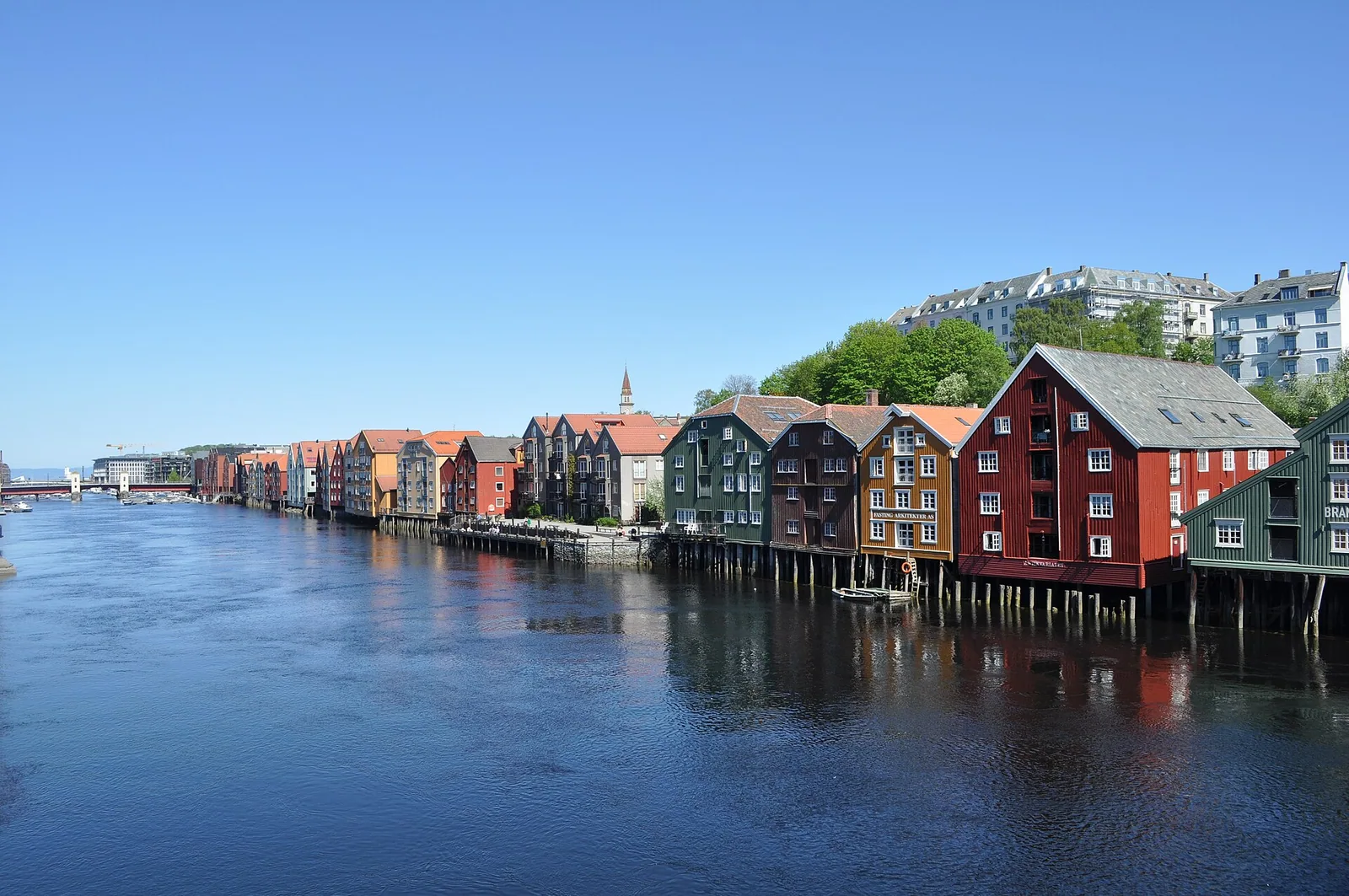
Trondheim Nidelva, Norway
Trondheim Nidelva

Move Home Easy coordinates the survey, packing, collection, European transport, customs documentation and final delivery as one planned service. We start by identifying what needs to be moved and estimating the packed volume.

A dedicated vehicle can suit a larger move, fixed dates or customers who want the shortest practical route. A part-load or groupage service can be more economical for boxes, selected furniture and smaller homes where the dates are flexible.

Most UK-to-Norway household moves travel by road and ferry. Depending on the carrier, destination and customs plan, the vehicle may use a direct North Sea route or travel through mainland Europe, Denmark and Sweden before entering Norway.

Norway's mountains, fjords, tunnels, ferries, toll roads and winter conditions can materially affect the final journey. A destination that appears close on a map can require a longer route around water or across mountain roads.

Deliveries to Oslo and south-eastern Norway are generally more direct than deliveries to western, central or northern Norway. Coastal and island destinations can require domestic ferries or a smaller local delivery vehicle.

This page focuses mainly on moves from Great Britain—England, Scotland and Wales—to Norway. Northern Ireland follows a different goods framework in several areas and needs to be checked separately.

Who is this service suitable for?

  • UK residents relocating to Norway for employment
  • Families moving to Oslo, Bergen or another Norwegian city
  • Norwegian citizens returning after living in the UK
  • Couples moving the contents of a flat or small home
  • Students and researchers shipping personal effects
  • Businesses arranging employee relocations
  • Customers sending boxes or a part-load rather than a full household
  • People requiring storage before export or after customs clearance

On This Page

  1. UK-to-Norway relocation services
  2. The European moving process
  3. Dedicated, part-load and small-shipment options
  4. Professional packing
  5. Norwegian customs and household-goods relief
  6. Documents commonly required
  7. National Population Register and identification numbers
  8. Preparing the household-goods inventory
  9. Restricted and excluded goods
  10. Cost of moving from the UK to Norway
  11. Road-removal and delivery times
  12. Popular Norwegian destinations
  13. Storage during a Norway relocation
  14. Cars, boats, pets, students and employee relocation
  15. Moving checklist
  16. Frequently asked questions

UK-to-Norway Relocation Services

Choose the elements that fit your consignment and destination from the services below. Your written Move Home Easy quotation will confirm the precise work included.

Home or Video Survey

The survey gives us the information to choose a suitable vehicle and service: expected packed volume, access at your UK home and any items requiring specialist preparation.

Show every item that might travel, including belongings in the loft, garage, shed or a separate storage unit. Point out musical instruments, artwork, mirrors, antiques, televisions, exercise equipment, stone furniture, safes and unusually heavy pieces.

Professional Packing

Professional packing can reduce the chance of damage during lifting, vehicle loading, ferry transport, customs examination and final delivery. Depending on your quotation, the available support includes cartons, furniture wrapping, picture and mirror protection and dismantling of appropriate furniture.

Fragile, high-value or unusually shaped items may need reinforced packing or custom cases. The packing crew also records numbered packages for the customs inventory.

UK Collection

Tell us whether collection is from a house, apartment, storage unit or business address. Parking, stairs, lifts, narrow approach roads and loading rules need to be checked before the date is confirmed.

The vehicle, equipment and crew should be planned using accurate access details. If the international truck cannot park near your door, a smaller shuttle or additional handling labour may need to be included.

Dedicated Road Removals

A dedicated service reserves the removals vehicle or agreed capacity for one customer. It is commonly used for larger households, fixed dates, corporate moves and customers who want the shortest practical transport schedule.

The goods are loaded in the UK and travel through export and import clearance before continuing to the Norwegian address. Ferry schedules, customs, toll roads and road conditions still need to be allowed for.

Part-Load and Groupage Removals

With part-load or groupage transport, several households share a vehicle heading in the same direction. Each keeps a separate inventory and pays for the space taken by its consignment.

This can be a cost-effective option for boxes, smaller flats and selected furniture. Flexibility because collection and delivery are planned around a shared Norway or Scandinavian route is the main trade-off.

Customs Documentation Support

Our team at Move Home Easy can help you bring together the information required for UK export and Norwegian import clearance. The customer normally signs form RD-0030 and provides an inventory, identification details and a power of attorney where a professional carrier handles the declaration.

Norwegian Customs makes the final decision on relief, inspection, VAT, customs duty and release. Goods outside the household exemption should be identified before collection.

Destination Delivery

After customs clearance, the crew continues to the Norwegian delivery address. Delivery may include unloading, basic reassembly of suitable furniture and removal of used packing materials, depending on the selected service.

Before the arrangements are finalised, check parking, loading, lift, ferry and building requirements directly with the landlord, housing association or responsible contact. Snow clearance and winter road access can also affect some deliveries.

Storage

Arrangements for storage can be made when goods need to be held before export or after customs clearance. It can also support a phased move or a part-load collection that does not depart immediately.

Agree where storage will take place, the basis of the rate and the notice required for release. Ask whether intake and release handling are separate charges and whether goods must clear customs before entering destination storage.

Business and Employee Relocation

Our team at Move Home Easy can help you bring together household-goods shipments for employers transferring staff from the UK to Norway. The service can be organised around a relocation allowance, approved volume, employee start date and internal authorisation process.

Employment, residence and housing records can also support the customs and National Population Register processes.

How Moving from the UK to Norway Works

A Norway relocation should be planned so that collection, customs documents, ferry or road transport and Norwegian identification records remain aligned.

  1. Initial Move Assessment

    Help us assess the move by providing the UK collection postcode, intended Norwegian destination, approximate shipment size and preferred moving dates. Mention storage, specialist items, coastal or northern delivery and fixed employment or tenancy deadlines.

  2. Home or Video Survey

    Use the survey to measure packed volume and review access, packing and handling together. Its findings help decide whether a shared part-load or dedicated service suits the move.

  3. Customs Eligibility Review

    The moving team reviews whether the relocation appears to meet the Norwegian household-goods conditions, including continuous residence abroad, ownership and use and the one-year import deadline.

  4. Written Quotation

    The quotation should explain the service type, packing scope, collection, customs support, delivery and exclusions. Review possible charges for customs waiting, ferries, tolls, storage, winter access and difficult delivery.

  5. Document Preparation

    Complete and sign form RD-0030 and prepare the inventory, passport details, Norwegian identification information and power of attorney requested for the clearance route.

  6. Packing and Collection

    The crew packs and numbers the agreed belongings and prepares the inventory. Before they start, set aside your original documents, passports, medication, jewellery, cash, keys and essentials to carry with you.

  7. UK Export Clearance

    The removals company or appointed customs representative submits the required UK export information and prepares the vehicle for the selected Channel or ferry route.

  8. Norwegian Import Declaration

    The carrier or customs agent presents the signed moving-goods declaration, inventory and supporting records to Norwegian Customs.

  9. Customs Review

    Norwegian Customs can review the evidence, request further documents or inspect the goods. VAT, duty and other charges assessed on excluded goods must be resolved before release.

  10. Delivery in Norway

    Once the goods are released, the vehicle continues to the Norwegian address. Access, ferries, toll roads, weather and building arrangements needs to be confirmed before moving day.

Transporting Household Goods from the UK to Norway

Most household moves travel by road and ferry. When assessing the right service, take volume, date flexibility, destination, winter conditions and whether the vehicle space is shared into account.

Dedicated Removals Vehicle

A dedicated booking assigns the agreed vehicle or capacity to one customer's shipment. This normally provides more control over collection and delivery than a route shared with other households.

It is often selected for a larger home, time-sensitive move, corporate relocation or shipment containing valuable and fragile items. The service costs more than groupage because the route is not shared.

Part-Load or Groupage Service

A part-load service combines several household consignments travelling on the same Norway-bound route. Each move remains separately packed, labelled and inventoried.

It can suit boxes, selected furniture, studio flats and one- or two-bedroom homes. Collection and delivery are planned around the shared route instead of one customer's dates alone.

Before booking, establish whether the estimate runs from collection to delivery or from departure of the consolidated vehicle.

Small Shipment and Box Service

A customer does not need enough goods to fill a vehicle. Cartons, books, clothes, bicycles, sports equipment and a small number of furniture items can often travel as part of a shared service.

Give us a clear inventory, item dimensions and any known weights. Even a small consignment still needs the applicable customs procedures to be completed.

Air Freight for Urgent Goods

It may be possible to use air freight for a compact urgent shipment, although road and ferry transport is normally more practical for furniture and larger volumes.

Charges are affected by actual and volumetric weight. Compare the complete airport, customs and delivery cost with a dedicated road service before choosing air.

Transport Option Comparison

ServiceUsually suitable forMain benefitMain consideration
Dedicated vehicleLarger homes and fixed-date movesDirect and date-focused serviceHigher cost because the route is not shared
Part-load or groupageBoxes, flats and partial household movesPay for the space usedBroader collection and delivery window
Small-shipment serviceCartons and selected itemsNo need to book a complete vehicleMinimum charges and shared scheduling may apply
Air freightCompact urgent consignmentsFast transportHigh cost for bulky or larger shipments

Professional Packing for a Move to Norway

The journey is shorter than an intercontinental shipment, but belongings can still be handled several times and may be inspected by Customs. Correct packing and a clear inventory remain important.

Packing should match the contents: furniture wrapping, suitable boxes and extra protection for fragile pieces. Artwork, mirrors, antiques, glass, stone and awkwardly shaped objects may need a purpose-made case.

Items that may need additional preparation

  • Pictures, mirrors and framed artwork
  • Glass tables and cabinets
  • Antiques and sculptures
  • Televisions, monitors and audio equipment
  • Musical instruments
  • Marble, stone and unusually heavy furniture
  • Large appliances
  • Bicycles, skis and outdoor equipment
  • High-value collections
  • Goods requiring custom cases

Cold-weather and moisture planning

Winter road transport and final delivery can expose goods to low temperatures, snow and moisture. Sensitive items should be discussed before packing, particularly artwork, musical instruments, electronics, liquids and goods affected by condensation.

Items moved from a cold vehicle into a heated property can experience condensation. Allow sensitive equipment time to reach room temperature before switching it on.

Remote and rural property access

Norwegian properties can be reached by narrow roads, steep gradients, ferries or seasonal routes. Help us assess the move by providing accurate, up-to-date details about private roads, bridges, tunnels, turning space and winter maintenance.

A smaller shuttle vehicle or local delivery partner may be needed where the international truck cannot reach the entrance.

Electrical goods

Norway uses a 230-volt, 50-hertz electricity supply. Many UK appliances are electrically compatible, but plugs, installation standards, warranties and local servicing differ. Built-in appliances may not suit the Norwegian kitchen or utility connection.

Some services allow owner-packed boxes, but the protection or insurance terms may be different. Confirm how to declare their contents and which belongings must be packed professionally.

Norwegian Customs Relief for Personal and Household Goods

Norway is outside the European Union customs union. Household goods moving from Great Britain therefore require a UK export declaration and Norwegian import declaration.

Norwegian Customs allows most used personal and household goods to be imported free of customs duty and other taxes when the customer meets the moving-goods conditions.

Continuous residence abroad for at least one year

The customer must generally have been registered as a resident and lived abroad continuously for at least one year before moving to Norway.

The signed RD-0030 declaration includes a confirmation that this condition has been met. Incorrect information or documents can have legal consequences.

Ownership, use and continued use

The goods should have been owned and used by the customer during the stay abroad, and the customer should intend to continue using them in Norway.

Norwegian Customs does not publish a separate six-month minimum for ordinary household goods on its main moving-goods page. The relevant question is whether the belongings are genuinely used household effects connected with the move.

Connection with the move

The goods must be imported in connection with the customer's move to Norway and must be for personal use instead of resale or commercial activity.

The value of eligible used household goods is not relevant to the customs and tax exemption, although high-value items should still be listed accurately for customs and insurance purposes.

The one-year import deadline

Household goods must be imported within a reasonable time and no later than one year after moving to Norway.

Special application procedures can apply when the customer moved more than one year ago, wants a retrospective assessment of goods already imported or is importing a recreational boat.

No published general retention deadline

Norwegian Customs states that there is no specific deadline for how long ordinary exempt household goods must be kept before they can be sold without losing the exemption.

This differs from the twelve-month non-disposal rules used by several EU countries. Vehicles and other special goods remain subject to their own rules.

Declaration form RD-0030

The customer must complete and sign form RD-0030, “Importation of removal goods – declaration”.

The declaration is presented to Norwegian Customs when the household goods arrive. When a moving company, friend or another person transports the goods, that person must be able to present the signed declaration.

Professional customs clearance

A professional moving company normally arranges customs clearance through a customs broker or agent. The carrier should have a power of attorney where the move requires it.

The goods will not be processed until the signed declaration has been submitted and completed correctly.

Norwegian identification number or TRK number

To declare moving goods, the customer needs a Norwegian identification number. This can be a national identity number or D-number.

A customer who does not yet have either number must apply to Norwegian Customs for a TRK number, which is a customs-registered customer number used for the declaration.

Inventory requirements

The customer must prepare an inventory list. Norwegian Customs states that it does not need to be extremely detailed.

Useful examples include “Box 1 – Clothing”, “Box 2 – Kitchenware”, “Box 3 – Toys”, “1 Sofa” and “1 TV”. Capital goods and expensive goods should be specified clearly.

New goods and excluded categories

The RD-0030 guidance states that the household exemption does not apply to new goods, vehicles, aircraft, work equipment, food, alcohol or tobacco products.

These goods must be declared through the ordinary import process and can be subject to VAT, customs duty, excise duty or other charges.

Vehicles

Vehicles do not qualify for duty and tax exemption as moving goods. A car, motorcycle or other vehicle must be declared separately and can be subject to import VAT, greenhouse-gas tax and registration charges.

Occupational equipment

Trade, professional and occupational equipment is excluded from the normal household exemption and must be declared separately.

Tell Move Home Easy about tools, machinery, business computers, specialist instruments or commercial equipment before collection so the correct customs route can be reviewed.

Food, alcohol and tobacco

Food is not exempt as household moving goods and is subject to separate food-import rules. Alcohol and tobacco are also excluded.

Traveller allowances can apply to goods carried personally when entering Norway, but they are separate from the removals shipment.

Weapons, plants and animals

Weapons require a police permit. Plants are subject to import restrictions, and animals must satisfy the Norwegian Food Safety Authority's rules.

Other restricted categories can include medicines, herbs, protected species, cultural objects and art treasures.

Customs inspection

Norwegian Customs can review the documents and inspect the vehicle or selected packages. Customs can request further information about new, high-value, restricted or excluded goods.

Accurate records and early disclosure can support the process, but no moving company can guarantee that a shipment will not be examined.

This information is general guidance rather than legal or tax advice. Norwegian Customs and other relevant authorities make all final decisions.

Documents Commonly Needed When Moving to Norway

When assessing the final checklist, take the customer's status, goods and customs representative into account. Commonly requested documents include:

  • Completed and signed Norwegian Customs form RD-0030
  • Detailed packing list or household-goods inventory
  • Passport identity-page copy
  • Norwegian national identity number, D-number or TRK number
  • Proof that the customer lived abroad continuously for at least one year
  • Foreign residence, municipal-registration or tenancy records where available
  • UK council-tax bills, utility bills, tenancy records or employment records where requested
  • Norwegian residence permit where applicable
  • Employment certificate or employment contract
  • Norwegian rental agreement or property-purchase contract
  • Power of attorney for the customs broker or carrier
  • Invoices or valuations for new and high-value goods where requested
  • Vehicle records where a vehicle is imported separately
  • Permits or certificates for weapons, plants, animals or other controlled goods

Names should remain consistent across the passport, inventory, customs declaration and power of attorney. Tell Move Home Easy promptly if the passport is renewed or the consignee changes.

Keep electronic and paper copies available during the move. It may be possible to request newly issued Norwegian identification and residence documents before final release.

Norwegian Population Registration and Identification Numbers

People coming to Norway to stay for more than six months must generally report a move to the Norwegian Tax Administration.

The move is recorded in the National Population Register. When the move is approved, the customer is registered as resident and is normally assigned a Norwegian national identity number if they do not already have one.

Report the move to Norway

When assessing the process, take citizenship, residence status and reason for moving into account. The Norwegian Tax Administration provides an online guide for reporting the move.

The customer may need to appear in person for an identity check and provide documentation showing that they will live in Norway for at least six months.

National identity number

A national identity number is used across tax, healthcare, employment, banking and public services. It is generally assigned to people registered as resident in Norway.

D-number

A D-number is a temporary identification number used by foreign citizens who need a Norwegian identification number but do not meet the conditions for a national identity number.

The authority or organisation needing the D-number normally orders it. An identity check can be required.

TRK number for customs

A TRK number is different from a national identity number or D-number. It is issued by Norwegian Customs to customers who need to declare goods but do not yet have a Norwegian identification number.

Obtaining a TRK number can allow the customs declaration to proceed, but it does not replace population registration or immigration requirements.

Documents for reporting the move

The exact checklist depends on the individual, but it can include:

  • Passport or identity document
  • Residence permit or evidence of the right to reside
  • Employment contract or assignment letter
  • Norwegian rental agreement or evidence of residential property
  • Family and civil-status documents where requested
  • Evidence that the stay will last at least six months

Move Home Easy does not arrange immigration status, accommodation or National Population Register reporting itself. The customer, employer, relocation adviser or qualified immigration professional remains responsible for those arrangements.

Preparing the Norwegian Customs Inventory

The inventory supports form RD-0030 and helps Norwegian Customs understand what is being imported.

Each carton or wrapped item should have a package number corresponding with the packing list. Norwegian Customs accepts a practical category-based list instead of requiring every low-value household object to be listed individually.

Useful inventory descriptions

  • Box 1 – Used adult clothing
  • Box 2 – Used children's clothing
  • Box 3 – Used kitchenware
  • Box 4 – Books and study materials
  • Box 5 – Bedding and household linen
  • Box 6 – Children's toys
  • Box 7 – Small household electrical items
  • 1 used sofa
  • 1 used television
  • 1 used dining table and chairs

Capital and high-value goods

Computers, televisions, refrigerators, jewellery, watches, expensive bags and other valuable goods should be specified clearly.

The form distinguishes between items travelling with the customer and items being sent separately by a carrier.

Used and new goods

The inventory should indicate whether relevant items are used or new. New goods do not qualify for the moving-goods exemption and must be declared through the normal import procedure.

Excluded goods

Vehicles, aircraft, occupational equipment, food, alcohol and tobacco should not be hidden inside the general household list. They must be identified separately.

Commercial quantities

Business stock, samples, merchandise and goods for sale should not be presented as a personal household removal. Several identical new products may be treated as commercial goods, so declare their purpose accurately.

Restricted, Excluded and Prohibited Goods

The household-goods exemption does not override Norwegian rules on restricted goods. Check controlled or unusual items before packing.

Goods excluded from ordinary moving-goods relief

  • Vehicles and aircraft
  • Trade, work and occupational equipment
  • Food and edible consumables
  • Alcoholic products
  • Tobacco and tobacco products
  • Unused and new goods
  • Goods imported for resale

Goods requiring particular attention

  • Weapons, ammunition and objects treated as weapons
  • Medicines, herbs and controlled pharmaceutical products
  • Plants, seeds, soil and plant products
  • Meat, dairy and other animal products
  • Animals and animal products
  • Protected species and CITES goods
  • Hazardous chemicals and flammable goods
  • Antiques, art treasures and culturally protected objects
  • Commercial stock and machinery
  • Counterfeit goods

Food

Food does not qualify for the household-goods exemption. Separate quantity, origin, animal-health and tax rules apply.

Norwegian Customs states that meat, meat products, cheese and animal feed brought from the EEA can be subject to a combined traveller quota. Goods arriving inside a removals shipment require route-specific review.

Plants and plant products

Plants, seeds, soil and plant products can require certificates, inspection or prior approval. Do not include them without written confirmation.

Weapons

Weapons and ammunition require a police permit. Norwegian Customs also warns that certain objects legal elsewhere can be prohibited in Norway.

Medicines

Keep essential medication with you in its original packaging, together with the prescription or supporting medical letter. Some medicines and herbal products can be restricted.

Items to keep with you

  • Passports and original immigration documents
  • Norwegian residence and identification records
  • Prescription medication and medical records
  • Cash, jewellery and irreplaceable valuables
  • Keys and important employment paperwork
  • Phones, laptops and chargers needed immediately
  • Several days of clothing and essential toiletries
  • Children's immediate-use items
  • Important school and veterinary records

How Much Does It Cost to Move from the UK to Norway?

There is no single reliable price for a UK-to-Norway move. When assessing the total, take shipment volume, service type, collection location, Norwegian destination, packing, access, customs, ferries, tolls, storage and specialist requirements into account.

Shipment Volume

Price the actual volume rather than relying on bedroom count. Two homes of the same size can hold very different amounts of furniture and stored possessions, which is why a survey gives a better basis for the quotation.

Sort out unwanted belongings before the survey to reduce the volume needing packing, handling and transport. For bulky items of limited value, compare the shipping cost with the cost of replacing them after arrival.

Dedicated or Part-Load Service

Reserving a vehicle and its route for one household usually costs more. A part-load service spreads those transport costs between customers and can be more economical when you have a smaller shipment.

UK Collection Location

A collection in southern England has a shorter route to common Channel or North Sea connections than a collection in Scotland, Wales or northern England. Distance, crew time and access affect the cost.

Norwegian Destination

Oslo and south-eastern Norway are generally more direct than Bergen, Trondheim, Tromsø, Bodø or remote coastal locations. The length and geography of Norway can materially affect the quote.

Packing and Specialist Handling

Full packing needs more crew time and materials than collecting boxes already packed by the owner. Antiques, artwork, instruments, stone, safes and unusual pieces may also require individual cases or specialist lifting equipment.

Ferries, Tolls and Road Charges

The route can include international ferries, domestic ferries, bridges, tunnels and Norwegian toll roads. Get confirmation of whether these transport costs are included in the quotation.

Winter and Difficult Access

Labour, vehicle and scheduling costs can be affected by snow, ice, mountain roads, restricted loading areas, small lifts and long carrying distances.

Northern and Remote Delivery

Northern Norway, islands, fjord communities and remote addresses can require additional driving, domestic ferries, overnight stops or a local delivery partner.

Storage

Ask for storage pricing from intake through to release or delivery, including the weekly or monthly rate. Confirm the storage location, minimum term and notice needed to retrieve the goods.

VAT, Duty and Inspection

Qualifying used household goods are normally exempt from duty and import VAT. New goods, vehicles, work equipment, food, alcohol, tobacco and restricted goods can create additional charges.

Insurance or Shipment Protection

Check the protection included in your quote, any additional cover available and the rules for owner-packed or high-value items. Suitable photographs, invoices and valuations can help document the belongings before collection.

Questions to ask when comparing quotations

  • Is this a dedicated or part-load service?
  • Does the quotation include professional packing?
  • Does it include UK export and Norwegian import customs handling?
  • Does it include delivery to the exact Norwegian address?
  • Are unpacking and furniture reassembly included?
  • What customs-waiting charges could apply?
  • Are international and domestic ferries, tunnels, bridges, tolls and fuel included?
  • What winter, shuttle or difficult-access costs could be added?
  • Are northern or remote-delivery costs included?
  • What storage charges could be added?
  • Which VAT, customs duty or excise charges are excluded?
  • What insurance or shipment-protection options are available?
  • How long is the quotation valid?

Request a tailored Norway removals quote

How Long Does a UK-to-Norway Removal Take?

Norway is a medium- to long-distance European removal destination. Current UK moving pages commonly estimate approximately three to six days for a direct full-load or dedicated road service to many southern Norwegian destinations.

Because the vehicle follows a shared route and may complete several collections and deliveries, part-load and groupage services are commonly planned within approximately one to three weeks.

Oslo, Kristiansand and south-eastern Norway are generally reached faster than Bergen, Ålesund, Trondheim, Tromsø or northern destinations. Winter weather, mountain roads, domestic ferries and customs review can extend the journey.

These figures are planning ranges instead of guaranteed delivery dates. The written quotation should explain whether the estimate begins at collection or departure from a consolidation warehouse.

Example planning ranges

  • Oslo, Drammen and south-eastern Norway: approximately 3–5 days dedicated or 7–14 days part load
  • Kristiansand and southern Norway: approximately 3–5 days dedicated or 7–14 days part load
  • Stavanger and Bergen: approximately 4–7 days dedicated or 8–18 days part load
  • Trondheim and central Norway: approximately 5–8 days dedicated or 9–18 days part load
  • Ålesund and western coastal destinations: approximately 5–8 days dedicated or 9–20 days part load
  • Tromsø, Bodø and northern Norway: approximately 7–12 days dedicated or 12–24 days part load

Factors that can affect the schedule

  • Dedicated or shared vehicle service
  • UK collection distance from the ferry or Channel route
  • Norwegian destination distance
  • Groupage route and consolidation
  • International and domestic ferry availability
  • UK export processing
  • Norwegian import processing
  • Customs document review
  • Physical examination
  • Snow, ice, wind and mountain closures
  • Weekend and public-holiday restrictions
  • Tunnels, ferries and toll-road routing
  • Remote northern delivery
  • Building delivery appointments
  • Storage instructions

Travel with passports, medication, laptops and immediate essentials rather than packing them in the main shipment. Do not place anything required immediately after arrival inside a shared road shipment.

Relocation Services Across Norway

Moving to Oslo

Oslo is the most common destination for UK-to-Norway corporate and family relocations. It is generally the most direct major Norwegian city from the continental European road network.

Central apartments, controlled loading areas, toll roads and winter parking restrictions should be reviewed before delivery.

Moving to Bergen

Bergen is a major western-coast destination reached through mountain, tunnel and fjord routes. The final journey can be affected by weather and road conditions.

Historic central streets and hillside properties can require a smaller vehicle or additional carrying work.

Moving to Stavanger

Stavanger is a major energy and corporate-relocation destination. Depending on the selected service, the route can involve ferries, tunnels and coastal roads.

Moves to Sandnes and the wider Rogaland area can be planned as part of the same regional route.

Moving to Trondheim

Trondheim is a major central Norwegian city and university destination. It requires a longer road journey than Oslo and southern Norway.

Consider winter conditions and the final route when planning fixed delivery dates.

Moving to Kristiansand

Kristiansand is a southern port city and can be reached through direct or continental ferry routes. It can also serve surrounding Agder destinations.

Moving to Drammen and South-Eastern Norway

Drammen, Lillestrøm, Fredrikstad, Tønsberg, Moss and other south-eastern destinations are well suited to dedicated and regular part-load routes.

Moving to Ålesund and the Fjord Region

Ålesund, Molde and nearby fjord communities can require ferries, tunnels and longer coastal road journeys.

Provide the exact postcode and access information so the final route can be assessed.

Moving to Tromsø and Northern Norway

Tromsø, Bodø, Harstad, Narvik, Alta, Lofoten and other northern destinations require substantial additional distance.

Winter conditions, daylight, overnight stops, ferries and local access can make the delivery window broader than for southern Norway.

Moving Elsewhere in Norway

Our team at Move Home Easy can help you discuss relocations to Lillehammer, Hamar, Skien, Porsgrunn, Haugesund, Arendal, Larvik and smaller towns or rural locations. Provide the full postcode so the route and access can be assessed.

Cars, Boats, Pets, Students and Employee Relocation to Norway

Moving a Car to Norway

Vehicles are excluded from the normal household-goods exemption. A car or motorcycle must be declared separately and can be subject to import VAT, greenhouse-gas tax and registration-related charges.

Norwegian Customs states that 25% VAT is generally calculated on the vehicle's customs value, freight and insurance, subject to the current electric-vehicle threshold and other vehicle-specific rules.

After customs clearance, the vehicle must complete the Norwegian Public Roads Administration's approval, inspection, registration, insurance and number-plate process.

An imported vehicle with valid foreign plates, registration and insurance can normally be used for a limited period after customs clearance, subject to the current official conditions. Before driving it, confirm the exact route.

Importing a Recreational Boat

Recreational boats can qualify as moving goods only under additional conditions and can require a separate application to Norwegian Customs.

Do not include a boat under the ordinary household-goods assumption. Before transport, confirm the ownership, use, value, registration, engine and customs requirements.

Moving Pets to Norway

Dogs, cats and ferrets moving from Great Britain require suitable identification, valid rabies vaccination and an accepted animal-health document.

Dogs must receive treatment against Echinococcus multilocularis from a veterinarian 24 to 120 hours before entering Norway, unless an accepted alternative treatment programme applies.

Great Britain is treated as a third-country route for pet documentation. The current health-certificate, entry-point and notification requirements needs to be checked before travel.

Pets travelling separately from the owner can require written authorisation and evidence that their movement forms part of the owner's journey. Use a specialist provider for complex pet transport.

Corporate and Employee Moves

Employers may need a defined shipment allowance, approval procedure and reporting structure. Our team at Move Home Easy can help you bring together the physical move with the employee and nominated employer contact.

An employer certificate, residence permit and Norwegian housing contract can also support customs and National Population Register documentation.

Students Moving to Norway

Students returning after studying abroad or moving goods for study still need to declare their belongings. Parents or another person transporting a student's goods need the student's signed declaration, inventory and power of attorney.

Tell Move Home Easy that the move is connected with study so the correct customer, authorisation and customs records can be prepared.

UK-to-Norway Relocation Checklist

Eight to Twelve Weeks Before Collection

  • Request detailed European-removal quotations.
  • Arrange a home or video survey.
  • Confirm the Norwegian destination and planned length of residence.
  • Decide what will be moved, sold, donated or stored.
  • Identify new goods and excluded goods such as vehicles or work equipment.
  • Discuss vehicles, boats, pets and restricted goods separately.
  • Gather proof of continuous residence abroad for at least one year.
  • Check the appropriate Norwegian residence or work-permit route independently.

Four to Eight Weeks Before Collection

  • Choose a dedicated or part-load service.
  • Review the written quotation and customs exclusions.
  • Complete insurance or shipment-protection documentation.
  • Begin Norwegian Customs form RD-0030.
  • Prepare the household-goods inventory.
  • Gather the Norwegian rental agreement or property records.
  • Gather the employment contract, employer certificate or permits where applicable.
  • Arrange storage where required.
  • Check ferry, toll, lift-booking and winter-access requirements.

One to Four Weeks Before Collection

  • Confirm parking and access at the UK property.
  • Remove food, alcohol, tobacco and unapproved restricted goods.
  • Separate passports, medication, valuables and immediate essentials.
  • Back up computers and important files.
  • Photograph high-value items.
  • Check names across the passport, inventory and customs documents.
  • Provide the most accurate Norwegian address available.
  • Confirm the Norwegian identity, D-number or TRK-number plan.

After Arriving in Norway

  • Report the move to the Norwegian Tax Administration where the stay will exceed six months.
  • Attend the identity check where required.
  • Keep the National Population Register and identification records safely.
  • Provide the customs representative with requested Norwegian evidence.
  • Remain available during customs clearance.
  • Respond to requests concerning new, excluded or restricted goods.

Before Delivery in Norway

  • Confirm the complete address and local contact number.
  • Check parking, loading and lift-booking requirements.
  • Confirm snow clearance and winter access where relevant.
  • Confirm domestic ferry, toll and remote-delivery details where applicable.
  • Ensure an authorised adult can receive the shipment.
  • Inspect goods as they are delivered.
  • Report visible loss or damage under the applicable procedure.

Why Use Move Home Easy for a Relocation to Norway?

A Norway move requires more than booking a vehicle. The survey, inventory, UK export, Norwegian moving-goods declaration, identification records, ferry route and final delivery all need to work together.

Move Home Easy brings together those stages from the UK. We assess the consignment, explain the practical difference between dedicated and part-load services and work with customs and delivery teams through to the Norwegian address.

We also encourage customers to compare complete quotations. A low transport-only figure may exclude packing, UK export work, Norwegian customs handling, ferries, tolls, waiting time, storage and remote or winter delivery.

Our role is to make the physical move feel organised from the first survey to the final delivery, with packing, paperwork, transport and access planning handled as one joined-up relocation service.

Your questions about Moving to Norway from the UK:

Is it possible to move plants to Norway?

Plants, seeds, soil and plant products can be restricted or require certificates and inspection. Do not include them without written approval.

At what stage should I book a move to Norway?

Allow time for a survey, customs documents, ferry capacity, identification records and route planning by starting around eight to twelve weeks before collection. Begin earlier for northern or winter moves.

How can I keep costs down when I move belongings to Norway?

For a small load, ask about shared part-load or groupage transport. Sharing the vehicle space and route costs with other households often makes this the lower-cost option.

What should I budget to move from the UK to Norway?

Your quotation is worked out from shipment volume, dedicated or part-load service, collection location, Norwegian destination, packing, access, customs, ferries, tolls and storage. A survey followed by a written door-to-door quotation is the most reliable way to establish the price.

What deadline applies to importing my belongings?

The goods should be imported within a reasonable time and no later than one year after moving to Norway.

Is it possible to sell my belongings after importing them duty free?

Norwegian Customs states that there is no specific general deadline for keeping ordinary exempt household goods before selling them. Special goods can follow separate rules.

Could my belongings be inspected by Norwegian Customs?

Norwegian Customs can review the documents and inspect the vehicle or selected packages. No moving company can guarantee that a shipment will not be inspected.

Is it possible for my belongings to be stored during the move?

If you need storage, check availability both before export and after customs clearance. Agree the location, ongoing rate, handling costs, minimum term, release notice and onward delivery before making the booking.

What timing should I allow for a UK-to-Norway removal?

Dedicated services are commonly estimated at approximately three to six days to many southern destinations. Part-load and groupage services are commonly planned within one to three weeks. Northern and remote delivery can take longer.

Is it possible to move only boxes to Norway?

Boxes and small personal-effects loads can often join a shared European service. Their size does not remove the need for the relevant customs paperwork.

What should I know about a dedicated Norway removal?

A dedicated service sets aside the agreed vehicle or capacity for your own move. It generally gives you a more direct journey and greater choice over dates than shared groupage.

What should I know about a part-load or groupage service?

A part-load service combines separately packed and inventoried moves travelling on the same Norway-bound route. Each customer pays for the vehicle space used.

Is it necessary for me to complete customs forms when moving to Norway?

Household goods moving from Great Britain to Norway require UK export and Norwegian import procedures. The customer normally completes form RD-0030.

Under what conditions are household goods duty free when moving to Norway?

Most qualifying used personal and household goods can enter free of customs duty and import VAT when the customer meets the Norwegian moving-goods conditions.

What should I know about Norwegian Customs form RD-0030?

It is the signed declaration used for the importation of personal and household goods when moving to Norway.

Is it possible for the moving company to handle customs clearance?

Yes. A professional moving company normally uses a customs broker or agent. The carrier must be able to present the customer's signed declaration and any required power of attorney.

Which paperwork should I prepare for Norwegian customs clearance?

For the paperwork file, you will commonly need form RD-0030, an inventory, passport copy, Norwegian identification number or TRK number, proof of residence abroad and supporting employment or housing records.

What level of detail should the inventory contain?

Norwegian Customs states that it does not need to be extremely detailed. Numbered boxes with categories such as clothing, kitchenware and toys, plus separate furniture and valuable goods, are normally appropriate.

When can new purchases qualify for duty and VAT relief?

No. The RD-0030 guidance states that new and unused goods are not covered by the moving-goods exemption and must be declared through the ordinary import process.

Is it possible to import professional tools or work equipment duty free?

Occupational and work equipment is excluded from the normal moving-goods exemption and must be declared separately.

Is it possible to import a recreational boat as moving goods?

A recreational boat can qualify only under additional conditions and can require a separate application to Norwegian Customs. Before transport, confirm eligibility.

Where do student belongings fit within the customs rules?

Students and returning students still need to declare their goods. A parent or another person carrying a student's goods needs the student's declaration, inventory and power of attorney.

Is collection from anywhere in the UK available?

We can discuss UK collection from homes, apartments, storage units and business premises. Before the arrangements are finalised, provide the full postcode and property access details because distance and access affect the quotation.

Is delivery anywhere in Norway available?

You can discuss moving services for Oslo, Bergen, Stavanger, Trondheim, Kristiansand, Ålesund, Tromsø, Bodø and other Norwegian destinations.

Is it possible to include food, alcohol or tobacco?

The ordinary moving-goods exemption does not cover food, alcohol and tobacco. Separate import, traveller-allowance and tax rules apply.

Is help available to move pets to Norway?

Dogs, cats and ferrets moving from Great Britain need the required identification, rabies vaccination and health documentation. Dogs normally require tapeworm treatment 24 to 120 hours before entry.

What period of residence abroad is required?

The customer must generally have lived abroad continuously for at least one year before moving to Norway.

What ownership and use conditions does Norway apply?

Norwegian Customs requires the customer to have owned and used the goods during the stay abroad and to continue using them in Norway. Its main moving-goods guidance does not state a separate general six-month minimum for ordinary household effects.

What should I do if I do not have a Norwegian identification number yet?

A customer without a national identity number or D-number must apply to Norwegian Customs for a TRK number for the moving-goods declaration.

Is it possible to move my car to Norway as household goods?

The normal household-goods exemption and must be declared separately does not cover vehicles. Import VAT, environmental taxes, approval and registration requirements can apply.

Is it necessary to report my move to Norway?

People planning to stay in Norway for more than six months must generally report the move to the Norwegian Tax Administration.

What should I know about a Norwegian national identity number?

It is the permanent identification number normally assigned when a person is registered as resident in Norway.

What should I know about a D-number?

A D-number is a temporary Norwegian identification number used by foreign citizens who need an identification number but do not qualify for a national identity number.

When would I need insurance for a European removal?

Check cover for the complete process, from packing and loading through border transport to delivery. Ask specifically how valuable items and boxes you pack yourself are treated under the protection included.

Start Planning Your Move to Norway

Tell Move Home Easy what you need to move, where it is being collected and which part of Norway it needs to reach. Speak to our team about how we can review the consignment, explain the available dedicated and part-load options and prepare a quotation for your UK-to-Norway relocation.

Request a free Norway relocation quote

A note from Move Home Easy

A little preparation makes moving easier

Create a moving folder before your survey: include a room-by-room list, access photos and your preferred dates. Then compare written quotes line by line, checking the allowances for packing, transport, storage and delivery. This makes gaps in the service easier to spot before you book.